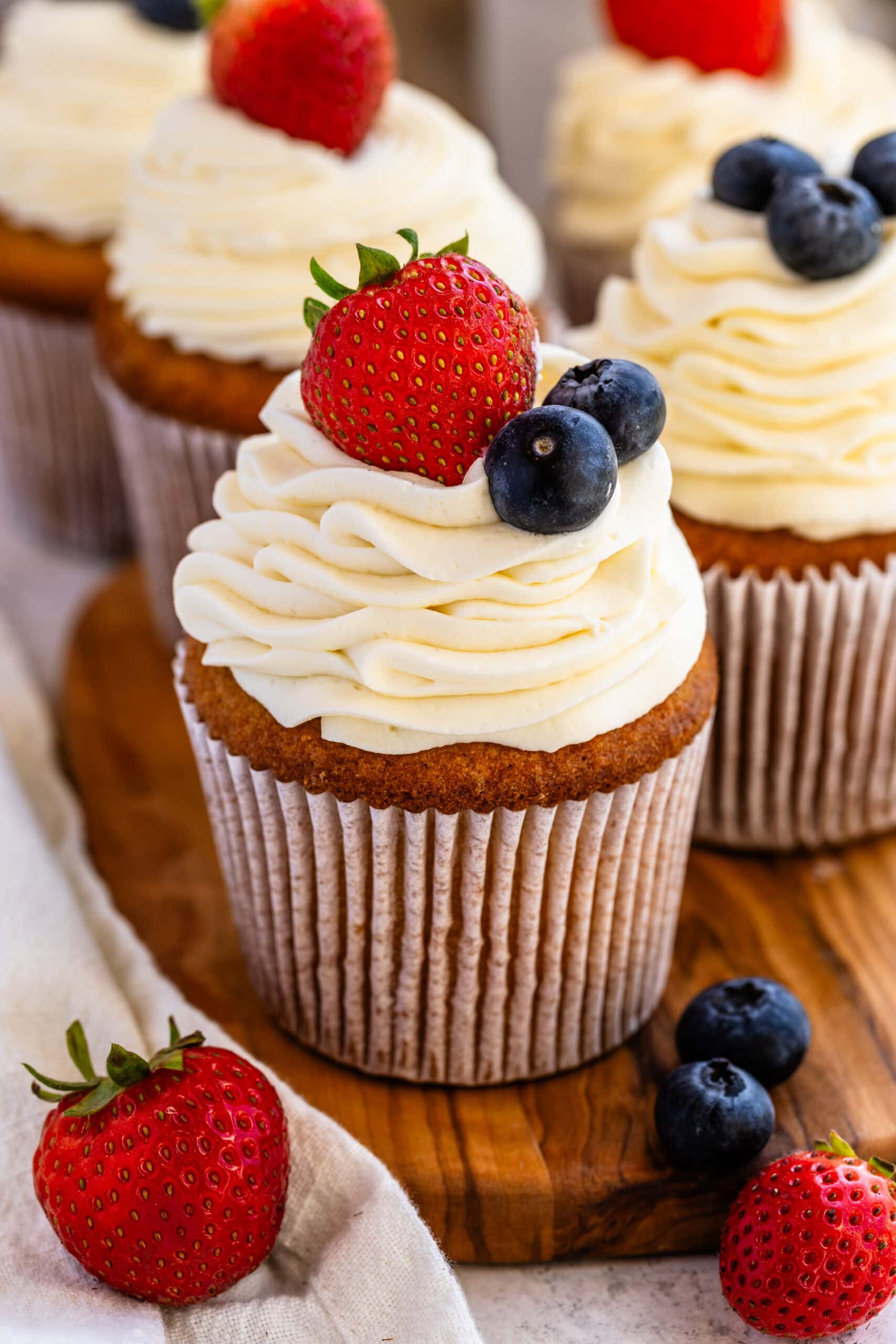
The Secret to Stable Sweets: Why Your Whipped Cream Needs a Helping Hand
Few things disappoint a baker more than a beautifully piped cake adorned with luscious whipped cream frosting that, hours later, has started to weep, soften, or slide. That light, airy, and undeniably delicious topping is notorious for its fleeting structural integrity, especially on a warm day or when left to sit. But what if you could transform delicate whipped cream into a robust, pipeable, and spreadable frosting that holds its shape, even overnight or during transport? The answer lies in stabilization, and for many home and professional bakers, the choice often comes down to two powerful contenders: instant pudding mix and unflavored gelatin.
This guide will delve into the nuances of using both pudding and gelatin to create a resilient
stabilized whipped cream frosting, helping you decide which stabilizer is best suited for your dessert vision. Whether you're aiming for towering layer cakes, perfectly swirled cupcakes, or elegant trifles that defy gravity, understanding these ingredients is key to conquering the whipped cream challenge.
The Essential Role of Stabilizers in Whipped Cream Frosting
Imagine creating a stunning multi-layered cake, only for your pristine whipped cream to begin collapsing, oozing, or losing its definition as time passes. This common scenario highlights the critical need for stabilization. Regular whipped cream, made simply with heavy cream, sugar, and vanilla, is glorious for immediate consumption – think a dollop on fresh berries or a pie slice served straight from the oven. However, if your dessert needs to stand tall, be piped with intricate designs, or endure storage and transport, it demands more.
A true "whipped cream frosting" differs from mere whipped cream by its enhanced structure. Without a stabilizer, the air cells trapped within the cream are prone to collapsing, releasing moisture (weeping), and causing the entire structure to soften. Stabilizers act as a scaffolding, reinforcing these air cells and preventing their breakdown. This not only maintains the cream's volume and texture but also extends its shelf life, ensuring your creations look as good hours later as they did the moment they were finished. For desserts like fruit-topped pies or delicate trifles, a stabilized version guarantees your cream won't sink into oblivion by morning, offering a reliable, beautiful finish every time.
Pudding Power: The Ease and Flavor Boost of Instant Mix
For those seeking an incredibly straightforward and flavorful path to stable whipped cream, instant pudding mix is a game-changer. It's a favorite in many home kitchens and bakeries for its simplicity and the delightful qualities it imparts.
Why Choose Instant Pudding?
- Unmatched Simplicity: Perhaps its greatest appeal is the ease of use. There's no blooming, no heating, no special pre-preparation required. You simply add the dry mix directly to your partially whipped cream.
- Flavor and Sweetness: Instant pudding mix (especially vanilla) seamlessly blends into the cream, infusing a subtle vanilla flavor and a touch of extra sweetness. This can enhance the overall taste profile of your dessert, often evoking a comforting, "nostalgic" quality reminiscent of childhood treats. While vanilla is the most versatile, other pudding flavors can be strategically chosen to complement specific desserts.
- Pleasing Texture: Pudding helps create a slightly denser, yet still light and creamy texture that holds its shape wonderfully. It feels substantial enough to spread and pipe beautifully without being heavy or greasy.
- Moderate Stability: While not as indestructible as gelatin, pudding provides excellent stability for most applications, making it ideal for cupcakes, everyday cakes, and desserts that need to last a few hours or overnight in a cool environment.
Best Uses for Pudding-Stabilized Whipped Cream:
Instant pudding mix shines when you're frosting cupcakes and want a reliable, subtly flavored frosting with minimal fuss. It's fantastic for layered cakes that will be served indoors or for whipped cream desserts that need to last beyond an hour or two. It's the perfect choice for the busy baker who values convenience and a delicious, familiar taste.
Tips for Using Instant Pudding:
Ensure you're using *instant* pudding mix, not the cook-and-serve variety. Add the sifted powdered sugar and pudding mix to your heavy cream once it reaches soft peaks. This prevents overwhipping and ensures even distribution. Start with a smaller amount (e.g., 1-2 tablespoons per cup of cream) and adjust to your desired consistency.
Gelatin's Grit: Unyielding Stability for Demanding Conditions
When maximum stability, heat resistance, and structural integrity are paramount, unflavored gelatin emerges as the undisputed champion. It's the preferred choice for commercial bakers or anyone facing challenging environmental conditions.
Why Choose Unflavored Gelatin?
- Superior Stability: Gelatin provides the ultimate structural support. It's incredibly robust, holding up exceptionally well under heat, humidity, and long periods of display or transportation. If your dessert needs to survive an outdoor party in summer or a lengthy car ride, gelatin is your best friend.
- Unyielding Structure: It creates a firm, resilient frosting that maintains its shape even under the weight of heavy fruit toppings, delicate chocolate curls, or even light fondant decorations. This makes it ideal for tall, multi-tiered cakes.
- Smooth, Refined Finish: Many bakers find that gelatin-stabilized whipped cream produces a remarkably smooth and polished finish, lending an elegant touch to your creations.
- Neutral Flavor Profile: Unflavored gelatin is just that – flavorless. This means it won't interfere with or alter the delicate taste of your cream or the other components of your dessert, allowing pure flavors to shine through.
Best Uses for Gelatin-Stabilized Whipped Cream:
Opt for gelatin when maximum holding power is non-negotiable. This includes wedding cakes, elaborate layer cakes, desserts intended for warm climates or outdoor events, or any item that needs an extended shelf life or a perfectly smooth, unblemished surface. It's also excellent for bakery items that require long periods of display.
Tips for Using Unflavored Gelatin:
Working with gelatin involves a couple of extra steps:
- Blooming: Sprinkle the gelatin powder over a small amount of *cold* water and let it sit for 5-10 minutes. This process, called blooming, allows the gelatin granules to absorb liquid and swell.
- Dissolving: Gently heat the bloomed gelatin (either in a microwave for a few seconds or over a double boiler) until it completely dissolves into a clear liquid. Be careful not to boil it.
- Cooling: Allow the dissolved gelatin mixture to cool down significantly, but not set, before incorporating it. Drizzling hot gelatin into cold cream can cause it to curdle or create lumps.
- Incorporation: Slowly drizzle the cooled gelatin mixture into your partially whipped heavy cream while continuing to beat. This ensures even distribution and prevents deflating the cream.
The key is precision – too much gelatin can result in a rubbery texture, so follow recipes carefully.
Beyond the Stabilizer: Universal Secrets to Perfect Whipped Cream Frosting
While choosing the right stabilizer is crucial, several foundational techniques will elevate your
pipeable, stackable whipped cream frosting, regardless of your chosen method.
The Power of Cold
The cardinal rule of whipping cream is *cold*. Always start with thoroughly chilled heavy whipping cream and, critically, chill your mixing bowl and beaters in the freezer for 10 to 15 minutes before you begin. This helps the cream aerate quickly and efficiently, reducing the risk of overwhipping and ensuring a stable, voluminous result.
Quality Cream Matters
Not all cream is created equal for whipping. Look for heavy whipping cream with a fat content of at least 36%. Lower-fat creams simply won't whip to the same sturdy consistency and are far more prone to collapsing. Heavy cream and whipping cream, while similar, typically have lower fat percentages than heavy *whipping* cream, which yields the sturdiest results for frosting.
Whipping Wisdom
Begin whipping your cold heavy cream at medium speed. Watch for the emergence of "soft peaks" – a stage where the beaters leave discernible trails, but the cream still slumps gently. This is the ideal moment to pause and incorporate your sifted powdered sugar, pure vanilla extract, and your chosen stabilizer (pudding mix or cooled gelatin solution). Sifting the powdered sugar prevents lumps and ensures a silky-smooth texture. Continue whipping at a slightly slower speed until stiff peaks form, being careful *not* to overbeat, which can turn your creamy frosting grainy or buttery.
Alternative Stabilizers (Briefly)
While pudding and gelatin are primary, other stabilizers exist. Powdered milk, as noted by Food Network Kitchen, can create a stable frosting without affecting taste. Cream of tartar can also be used, but some find it adds a subtle sour note. For this article, we prioritize the two main options.
Making Your Choice: Pudding vs. Gelatin at a Glance
The decision between instant pudding and unflavored gelatin ultimately hinges on your specific needs:
* **Ease of Use:** Pudding wins for simplicity; no extra steps beyond adding dry mix. Gelatin requires blooming, dissolving, and cooling.
* **Stability Level:** Gelatin offers superior, maximum stability, especially for heat and humidity. Pudding provides excellent moderate stability for most indoor applications.
* **Flavor Impact:** Pudding adds a subtle, often nostalgic, flavor and sweetness. Gelatin is flavorless, allowing the cream's natural taste to dominate.
* **Texture:** Pudding often yields a slightly denser, creamier texture. Gelatin can result in a very smooth, firm finish.
* **Best for:** Pudding is ideal for everyday cakes, cupcakes, and desserts needing moderate hold. Gelatin is perfect for elaborate layer cakes, outdoor events, or commercial applications requiring robust, long-lasting structure.
Conclusion
Choosing between instant pudding mix and unflavored gelatin as your whipped cream stabilizer empowers you to create truly professional-quality desserts that hold their shape and beauty. Both methods offer distinct advantages, making them indispensable tools in the baker's arsenal. Pudding provides convenience and a delightful flavor boost, while gelatin offers unparalleled strength and a refined finish. By understanding their unique characteristics and mastering the essential whipping techniques, you can confidently select the best stabilizer for any occasion, ensuring your
whipped cream frosting remains light, airy, and perfectly structured, from the first slice to the last. So go ahead, experiment, and enjoy the satisfaction of serving flawless, stable, and utterly delicious whipped cream creations every time.